
编者按:在东说念主类文雅的演进历程中,音乐以其私有的艺术魔力,为不同文化的对话相似创造了更多可能性。一朵茉莉的芬芳,不错穿越数百年的时光,从江南水乡飘向世界舞台;一首民歌的旋律,概况逾越万水千山,在不同的文化间激起回响。那些飘零的音符告诉咱们:文雅互鉴的真理,在于以盛开包容的姿态,让多元文化在音乐的共识美妙见彼此的心声。
在中国宋庆龄基金会“文化小大使”的举止现场坐满了来自世界各地因为喜爱中国文化而相聚在所有的青少年。当舞台从吵杂变得懒散,一段音乐震动奏起,在场不雅众仿佛千里浸在来自东方的奥秘花朵的清香中。“好一朵娇媚的茉莉花,好一朵娇媚的茉莉花……”这个来自马达加斯加的女孩,用融会的嗓音唱响了她对中中文化的心疼。
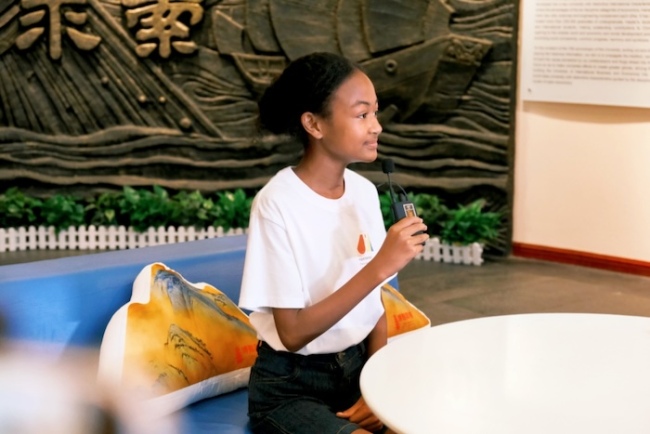
图为涂妮袭取采访现场
在中华网《青衿问说念,文脉传承》栏目组的采访中,咱们与这位马达加斯加女孩进行了一次深度访谈,琢磨她心疼中中文化的缘由。“我叫涂妮,本年13岁,当今居住在塔那那利佛。”涂妮(Remamy Larenah Tony)笑着说。这是她第二次来到中国,“前次我去了北京和天津,那处的城市表象令我印象长远。”天然学习中文独一两年,但涂妮一经是“汉语桥”马达加斯加赛区小学组冠军。谈及学习中文的初志,涂妮说:“是姆妈饱读吹我学习中文的。天然她是马达加斯加东说念主,然则她很心疼中国文化。”备赛手艺,母女俩不时所有学习中文。在学习重要上,她们采选了最天然,亦然最应允的阶梯——唱歌。涂妮学会的第一首中文歌,便是《茉莉花》。
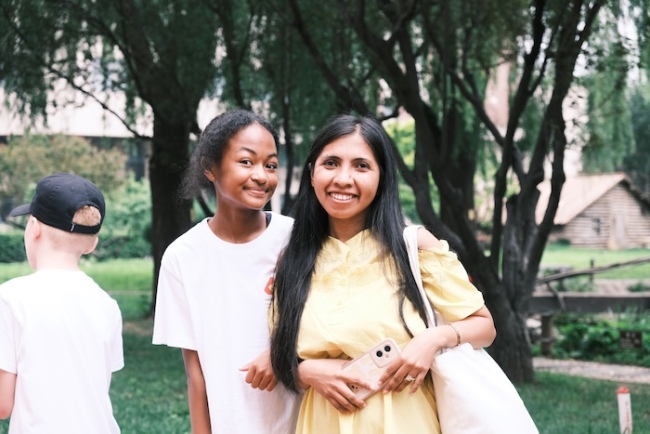
图为涂妮与姆妈的合照
“若何会猜度用音乐来学习中国文化?”咱们问说念。涂妮想了想说:“因为,我本来很可爱唱歌和弹钢琴,是以我通过学习中国歌曲来学中文,成果更高。”聊到唱歌,小女孩眼睛里闪耀着喜爱之情。在采访现场,她用融会动东说念主的嗓音再一次哼唱起这首立名四海的经典民歌。
《茉莉花》发祥于江浙一带,早在乾隆年间,戏曲脚本集《缀白球》便已收录其唱词:“好一朵茉莉花,好一朵茉莉花,满园的花开赛不外它,本待要,采一朵戴,又惟恐看花的骂。”这首歌旋律优好意思入耳,琅琅上口,因此广为流传。历经两百多年的演变,《茉莉花》在世界限制内缓缓酿成多个各具脾气的地点版块,并最终成为具有代表性的中华艺术作品。
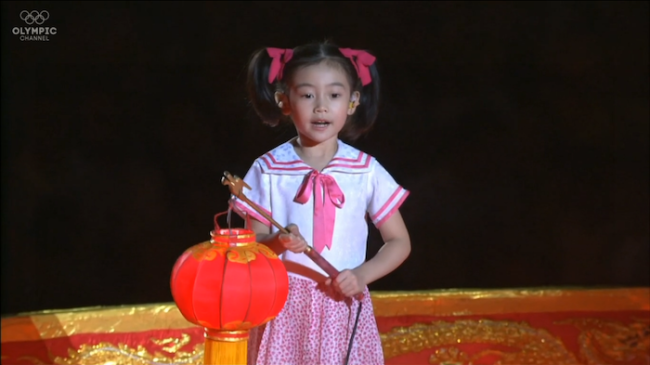
图为雅典奥运会“北京八分钟”中小饰演者演唱《茉莉花》
恰是由于这首歌在中国地区的闲居流传,在明清时刻,《茉莉花》的音调就随商东说念主和学者东渡日本、西传欧洲。1768年,发蒙想想家卢梭(Jean-Jacques Rousseau)将其收录于《音乐辞书》,这亦然《茉莉花》出当今西方最早的纪录。25年后,英国粹者约翰·巴罗(John Barrow)在广州的海幢寺用五线谱记录了已被头陀们改编成梵呗的《茉莉花》。贾科莫·普契尼(Giacomo Puccini)则从旧唱片中捕捉到《茉莉花》的旋律,将它写入《图兰朵》中腾贵娇媚的公主的咏叹,让茉莉的清香永恒萦绕在歌剧院的殿堂中。在远处的欧洲文雅中,这首来自中国的民族旋律被世界各地的东说念主代代相传,在跨文化传播中展现降生生束缚的活力。
从民间传唱的《鲜花调》到音乐家何仿据此改编的《茉莉花》,从爵士乐的随性变奏到交响乐的恢宏演绎,《茉莉花》在一次次重塑中快活壮盛,又恒久保执着那份源自东方的音乐本真。在创造新的文化顾忌的历程中,《茉莉花》不绝地与其他文雅对话,让东方的音乐颖慧与世界各地的艺术灵魂再会相融。
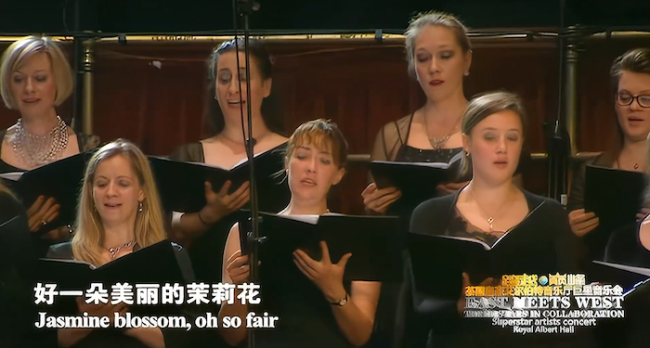
图为英国皇家爱乐齐唱团与英国皇家齐唱协会演唱《茉莉花》现场
在采访现场,咱们风趣地问涂妮为什么会采选唱《茉莉花》。涂妮俏皮地眨了眨眼,说:“马达加斯加有一种私有的茉莉(Stephanotis floribunda),是以这首歌对我来说有一种亲切感。”音乐传递着文化的消息,以一种私有的方式将咱们伙同。“茉莉”带来的恰巧让蓝本目生的心灵找到了共识,也让不同文化配景的东说念主在旋律中感受到彼此的心思与温度。这么的相似不仅是艺术的碰撞,更是心灵与心灵逾越话语与地舆禁锢的对话。艺术在文化的泥土中柔润孕育,也进展着文化传承与文雅相似的纽带作用。
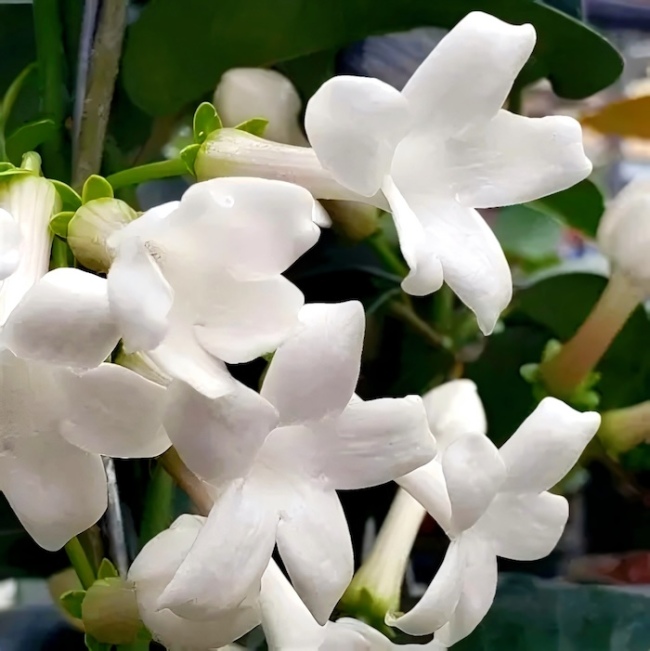
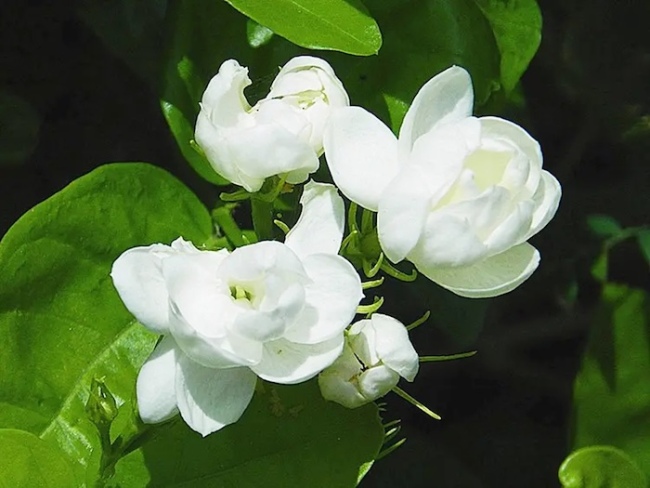
图为马达加斯加茉莉图为中国常见的茉莉花
在流媒体时间,除了那些齐人好猎的传统歌曲,好多现代音乐作品也进展着进击的文化传播作用。采访现场,涂妮演唱了最近的流行歌曲《上春山》。当“二月天杨柳醉春烟”的歌声响起,这首样貌贵州春色的民歌被赋予了新的文化意蕴。在“我上春山,约你来见”的文化邀约下,涂妮化身“文化小大使”来到中国,体验“山上儿童放纸鸢”的欢快,感受“踏遍春山不想还”的文化留恋。而那句“因为碰见你而不浮浅”的广告,悲不自胜正派出了她与中国再会的有数与好意思好。
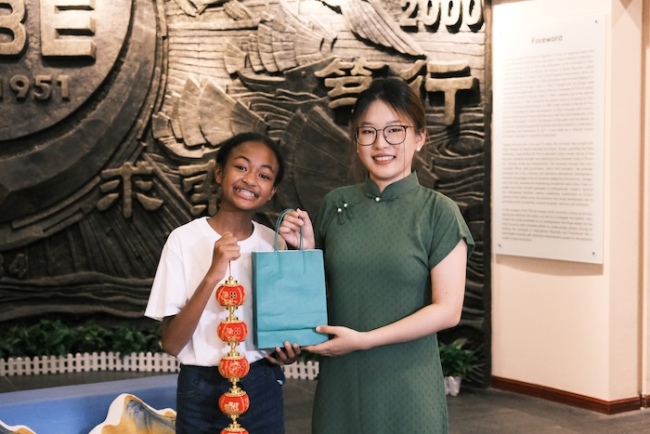
图为涂妮在采访现场与采编东说念主员的合照
花朵不会迁徙,但香气随风远行;文化各有根系,却在歌声中枝杈相触。当清风拂过春山,当茉莉花香飘四海,音乐化作文化使臣,以和缓而有劲的方式拉近了不同文雅间的距离。算作东说念主类共通的话语,音乐的伟大之处在于它既能看管文化的私有性,又能在旋律与节律的流动中搭建麇集的桥梁。
《茉莉花》等中国歌曲在大师限制内的传播历程告诉咱们:真确具有人命力的文化象征,既要有遵照本真实定力,也要有拥抱变化的勇气。而后生一代的跨文化相似也无谓总依靠弘大的方式或尊容的花式——一首歌,就足以成为开赴的船票。
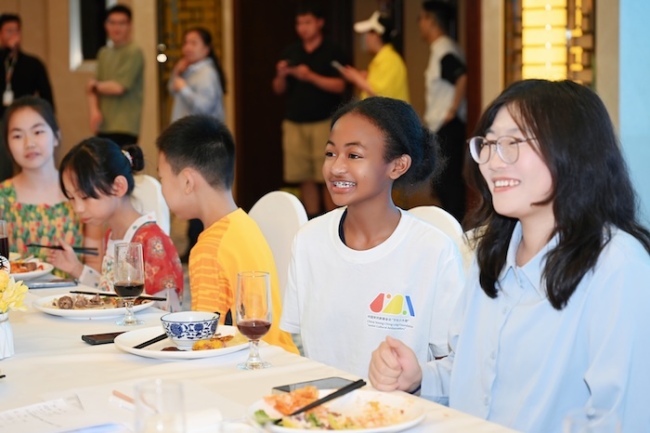
图为涂妮在中国印象·沙龙举止现场
大师化的时间配景下,咱们需要更多像涂妮这么的“文化小大使”,用真挚的歌声搭建起文化相似的桥梁。当越来越多的年青东说念主应允唱响彼此的民谣,当不同国度的孩子能在旋律中找到共识,东说念主类文雅的百花坛必将愈加秀好意思多彩。
撰稿东说念主:何博媛
包袱剪辑:刘雨婷
Melody as a Bridge: A Dialogue Among Civilizations
Editor's Note: Throughout the evolution of human civilization, music, with its unique artistic charm, has created more possibilities for dialogue and exchange among different cultures. The fragrance of a single jasmine flower can travel through centuries, from the water towns of Jiangnan to the world stage. The melody of a folk song can cross mountains and rivers, resonating between different cultures. The flowing notes tell us that the true meaning of mutual learning among civilizations lies in an open and inclusive attitude, allowing diverse cultures to hear each other's voices through the resonance of music.
At the recent Junior Cultural Ambassadors event hosted by the China Soong Ching Ling Foundation, teenagers from all over the world gathered, united by their love for Chinese culture. As the bustling stage grew quiet, a gentle melody began to play, and the audience seemed to be enveloped in the subtle fragrance of a mysterious flower from the East. "What a beautiful jasmine flower, what a beautiful jasmine flower..." The young girl from Madagascar sang with a crystal-clear voice, expressing her deep affection for Chinese culture.
In the interview with Inquiring Youth, Inheriting Culture(青衿问说念,文脉传承) column, we had an in-depth conversation with the Malagasy girl, exploring the reasons behind her passion for Chinese culture. "My name is Tony, I'm 13 years old, and I live in Antananarivo," Remamy Larenah Tony said with a smile. This was her second visit to China. "Last time, I went to Beijing and Tianjin, and the cityscapes there left a deep impression on me." Although she has only been studying Chinese for two years, Tony is already the champion of the "Chinese Bridge" competition for primary school students in Madagascar. When asked about her initial motivation for learning Chinese, Tony said, "My mom encouraged me to learn Chinese. Even though she's Malagasy, she loves Chinese culture very much." During the competition preparation, the mother and daughter often studied Chinese together, choosing the most natural and enjoyable method: singing. The first Chinese song Tony learned was Jasmine Flower.
"What made you think of using music to learn about Chinese culture?" we asked. Tony thought for a moment and replied, "I really love singing and playing the piano, so I find it more efficient to learn Chinese by studying Chinese songs." As she talked about singing, her eyes sparkled with joy. During the interview, she once again hummed the classic folk song, which is famous both in China and abroad, with her beautiful, clear voice.
Jasmine Flower originated in the Jiangsu and Zhejiang regions. As early as the Qianlong era, a collection of opera scripts, Zhui Bai Qiu(《缀白球》), already included its lyrics: "What a beautiful jasmine flower, what a beautiful jasmine flower, no other flowers in the garden can surpass it. I was about to pick one to wear, but I was afraid of being scolded by the one who guards the flowers." The song's beautiful and catchy melody made it widely popular. Over more than two hundred years of evolution, Jasmine Flower gradually developed many unique regional versions across the country and eventually became a representative work of Chinese art.
Due to the song's wide popularity in China, its melody traveled east to Japan and west to Europe with merchants and scholars during the Ming and Qing dynasties. In 1768, the Enlightenment philosopher Jean-Jacques Rousseau included it in his Dictionary of Music, which is the earliest record of the song appearing in the West. Twenty-five years later, British scholar John Barrow transcribed a version of Jasmine Flower that monks at the Hualin Temple(《海幢寺》) in Guangzhou had adapted into a Buddhist chant, recording it in a musical score for his travelogue, Travels in China. Giacomo Puccini captured the melody from old records and incorporated it into the aria of the noble and beautiful princess in his opera, Turandot, allowing the subtle fragrance of jasmine to forever linger in the opera house. In the distant context of European civilization, this Chinese melody has been passed down through generations, showcasing its endless vitality in cross-cultural exchange.
From the folk song Fresh Flower Melody to the adapted Jasmine Flower by musician He Fang, and from impromptu jazz variations to magnificent symphonic interpretations, the song has been reborn through repeated reinvention while always maintaining its Eastern musical essence. In the process of creating new cultural memories, Jasmine Flower continuously dialogues with other civilizations, allowing Eastern musical wisdom to meet and blend with artistic souls from around the world.
During the interview, we were curious to ask Tony why she chose to sing Jasmine Flower. With a playful wink, Tony said, "There is a unique type of jasmine in Madagascar (Stephanotis floribunda), so this song feels familiar to me." Music conveys cultural messages, connecting us in a unique way. The coincidence of "jasmine" allows otherwise unfamiliar hearts to find resonance and enables people from different cultural backgrounds to feel each other's emotions and warmth through melody. This kind of exchange is not just an artistic collision; it is a dialogue between hearts that transcends the barriers of language and geography. Art grows and thrives in the soil of culture, and it also serves as a bridge for cultural heritage and exchange among civilizations.
In the streaming era, many contemporary musical works, in addition to timeless traditional songs, also play an important role in cultural dissemination. During the interview, Tony sang the recent popular song, "Shang Chun Shan" (《上春山》). As the lyrics "The willow is intoxicated in the spring mist on a February day" were sung, this folk song, which describes the spring scenery of Guizhou, was imbued with new cultural significance. Under the invitation of the lyrics "I'm climbing the spring mountain, inviting you to meet me," Tony, as a "Junior Cultural Ambassador," came to China to experience the joy of "children flying kites on the mountain" and feel the cultural attachment of "wandering through the spring mountains, with no thought of returning." And the confession "Because of meeting you, I am not ordinary" perfectly expresses the precious and beautiful nature of her encounter with China.
Flowers do not move, but their fragrance travels with the wind. Cultures have their own roots, but they touch branches and leaves in song. When the gentle breeze sweeps across the spring mountains and the fragrance of jasmine drifts across the four seas, music becomes a cultural envoy, bridging the distance between different civilizations in a gentle yet powerful way. As a universal human language, the greatness of music lies in its ability to both preserve the uniqueness of cultures and build bridges of understanding through the flow of melody and rhythm.
The global spread of Chinese songs like Jasmine Flower tells us that truly vibrant cultural symbols must have both the resolve to adhere to their essence and the courage to embrace change. And for the younger generation, cross-cultural exchange doesn't always have to rely on grand projects or solemn occasions—a single song can be a ticket for a journey.
In the context of globalization, we need more Junior Cultural Ambassadors like Tony, who use their heartfelt songs to build bridges for cultural exchange. When more young people are willing to sing each other's folk songs,and children from different countries can find common ground in melody, the magnificent garden of human civilization is bound to become more colorful and vibrant.